
We recently completed our rehab on the latest rental property in our portfolio and, to be frank, it was a difficult experience that provided us four lessons to be learned. Before I move on, I’d like to take a moment to rehash some of the pain points, mostly for my future self, but also for the investor who is also attempting to do what we do – which is to buy properties in need of repair, rehab them, then rent them to good tenants.
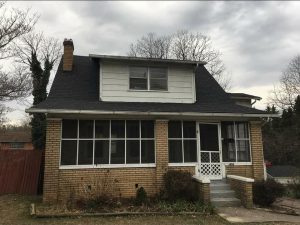
We purchased our newest property on Maxwell Street in February of 2021. However, I first looked at the property in the Fall of 2020, and I knew then that I wanted to buy it. However, we had just purchased our second rental and we were in the middle of a rehab on that project. I did contact the owner who had it listed For Sale By Owner. He was not willing to finance the property, so that meant another bank and another hit on our slimming cash reserves. I thought he wanted a little too much for the property, but mostly I was engaged in the other rehab and my day job – so I backed off. When we completed that rehab and found a tenant in January 2021, I began to once again think about the property, or even just another property. In the previous months I had been sending letters to owners of houses I liked and had some folks who were willing to talk to me. One gentleman owned several properties he was trying to sell, and we really liked one of them. But, I could not shake the feeling of the house on Maxwell street, so I contacted the owner and went to look at it again. I realized then it needed too much work and I didn’t have the resources to do what needed to be done, so after much consideration, we decided to purchase another property instead.
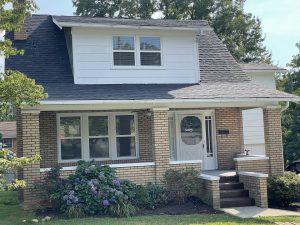
However, before we pulled the trigger, fate through us a curve ball and we ended up with the property. After discussing it and praying on it, we decided to buy the house on Maxwell Street. To be clear, I don’t regret the purchase. After the renovation it was a great property to add to our portfolio and will continue to be for a long time. However, it did make a significant dent in our cash reserves and took up much of our our personal time. For this house I worked evening and weekends for months on end, sacrificed our vacation fund to finish the project, and missed out on spending much time with our children over the summer. The last hurts maybe as much as all the former combined – you just don’t get time back with your children. If it were easy, everyone would do it, and I’ve come to terms with this growing season in our life that will be about some sacrifices. But I digress.
I justified the purchase by planning to spend substantially less than what I thought it might need to bring it up to the standards of Tomcat Property rentals. So, there’s the first lesson:
Don’t Negotiate Down Your Standards
I realized the property needed more work than money I had access to. However, I talked myself into believing I could do less and get by with it (for now). Old houses need plenty of work – trust your instincts and trust what your contractor/s say. If you think a major system will need to be replaced, plan for that expenditure. That leads us to lesson two…
Buy Lower Than You Think Makes Sense
Because I had talked myself into doing about half of the work that I thought it needed, quite frankly, I paid too much. Even though the seller did come down significantly off their asking price and made concessions. The problem wasn’t that the sellers took advantage of me, the problem was I didn’t know to offer way less. Here’s the deal when you’re buying old houses in need of repair: most of them cannot be bought by regular people through an FHA, VA or other type of government loan program. They simply will not pass inspection and the owner most often will not fork over the money to do all the repairs needed. In short, as a highly qualified investor you have leverage, you should use that. If the owner is asking $65k for a house but it needs $40k in repairs, that (for me) is simply too much in our market (and given our level of investment). If the market value is $45k, consider offering substantially below market value. For this house, I should have offered $30k to start. Unless the seller has $40k to bring it up to standards so that a “normal” buyer can purchase it (not to mention the commitment to do the work), then use your leverage. They may say no, and if they do, they probably saved you plenty of hard work. Do not be afraid that you might insult them or hurt their feelings. Especially if you’re a new investor dealing with a seasoned investor. There are plenty of old/dilapidated houses that you can buy, leading to lesson 3…
Double Your Budget
If a contractor tells you that it will cost him $15k to do what you ask of them, then your budget should be $30k. In old houses you will run into issues ranging from plumbing, electrical or foundation issues that will cost you thousands more than you expect. Be prepared for the worse and hope for the best.
There is no doubt I made plenty of mistakes, most of which were a result of these three mistakes noted already. I found myself working on the project too long because I needed time to access more capital. I found myself cutting corners that I did not want to cut, even in the end, simply because I could not justify spending more money on the project. Simply put, I paid too much, lowered my own standards, and did not leave adequate money in the budget for unexpected costs. One funny thing about this is that I had heard all of these lessons before, and like many in my life before, I had to make these mistakes myself. As someone who is an avid reader and listener to others who give advice, the final lesson is…
Apply Lessons Other Have Learned
I’m not the world’s first property investor (and neither are you). There are plenty of us and almost all of them are willing to give advice. Whether they wrote a book, have a podcast, or are just a local mentor you’re talking with – many of them have learned the same lessons. Almost all of them want to help you in your journey, you (and I) should listen and heed their advice. Don’t negotiate your standards, buy at the lowest price (im)possible, double your budget and apply lessons others have learned before you.